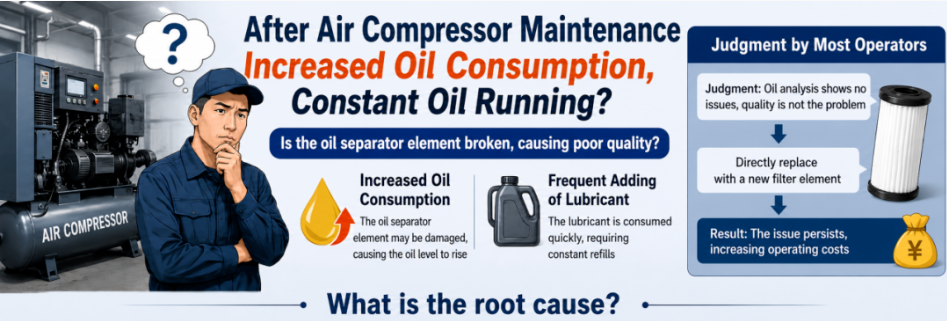

Recently, EPSEA handled a service case at a food factory where two 160kW air compressors developed severe oil carryover within 100 operating hours after maintenance. On-site inspection found a milky oil-water mixture being discharged from the drain outlet, no visible oil in the sight glass, and no oil return despite the return line being warm. The higher the operating load,the more serious the oil consumption.
Instead of immediately replacing the separator element, EPSEA technicians inspected the piping, oil return system, and filter condition.
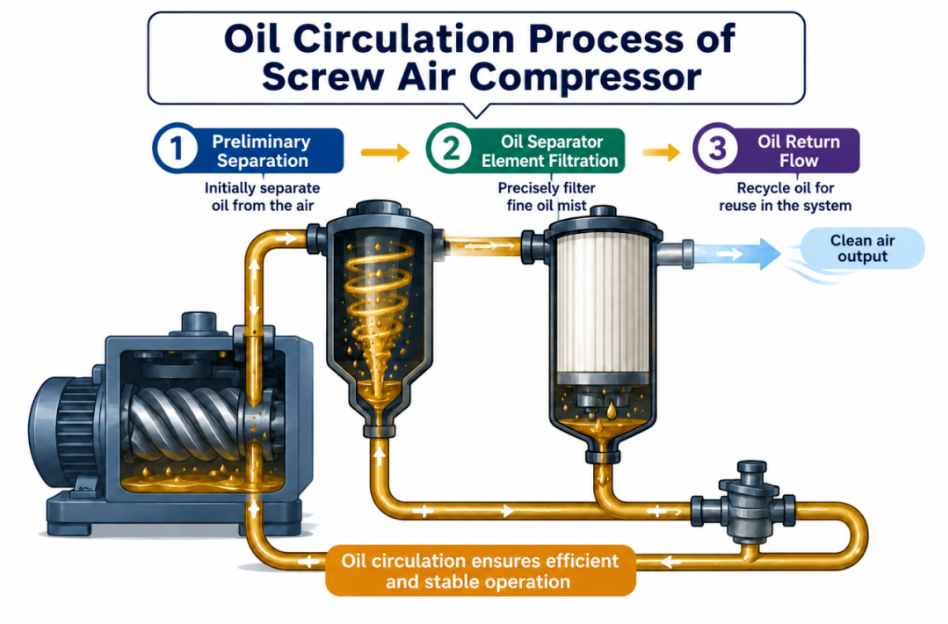
The separator element was found to be functioning normally. The actual cause was incorrect installation: two similar oil return hoses on the air-oil tank had been connected in reverse. This blocked the oil return path during operation, preventing separated oil from flowing back and causing it to escape with compressed air.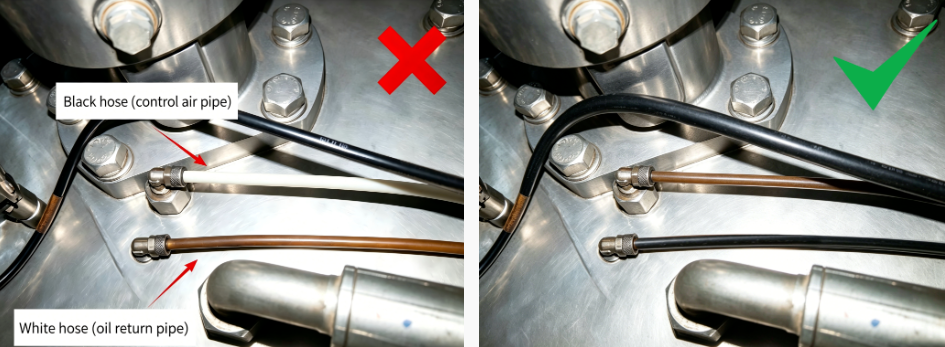
The service team immediately corrected the hose connections and rechecked the system's airtightness and separator element condition. After a 2-hour test run, the oil carryover issue was completely resolved, the oil level remained stable, and follow-up inspections confirmed normal operating conditions and oil consumption.
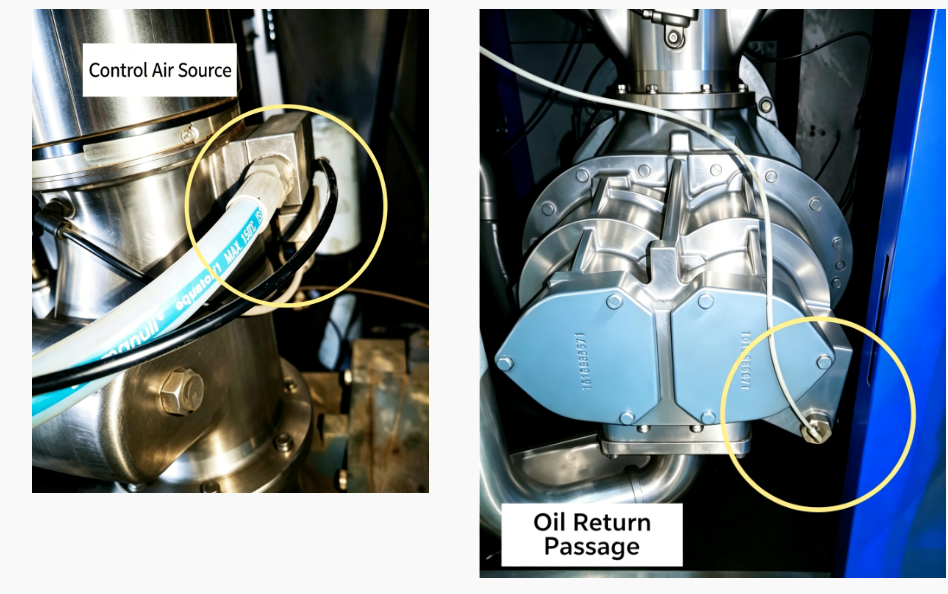

This case shows that abnormal oil consumption after maintenance is not always caused by the oil separator. Incorrect piping, blocked oil return, and improper installation are common causes of“false oil carryover.” Replacing filters without diagnosis only increases costs.
Stable and efficient operation depends on proper maintenance and reliable consumables. EPSEA’s air filters ,oil separators and line filter elements feature high-precision filtration materials and optimized sealing structures, offering low pressure loss, high durability, precise filtration, and long service life.
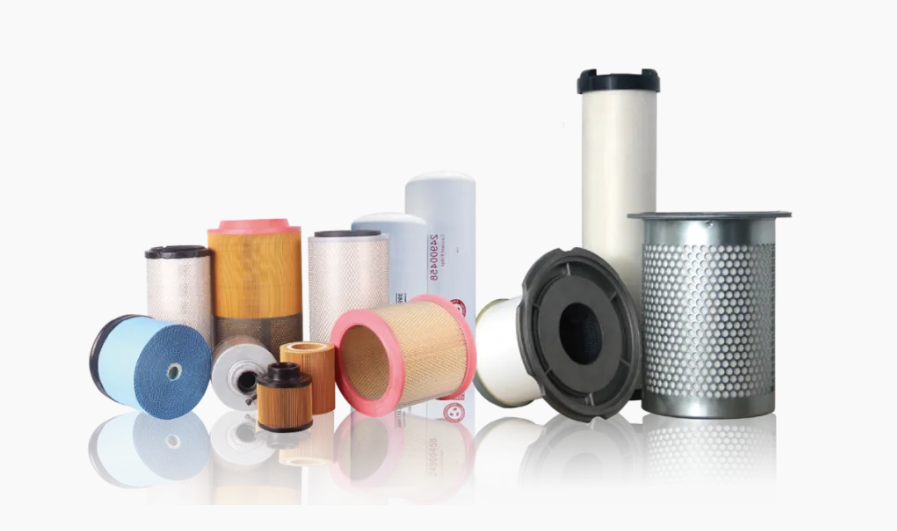 Under normal system conditions, efficient oil-air separation can be achieved, helping maintain stable oil consumption, prevent premature filter failure and abnormal oil carryover, while reducing downtime and overall maintenance costs.
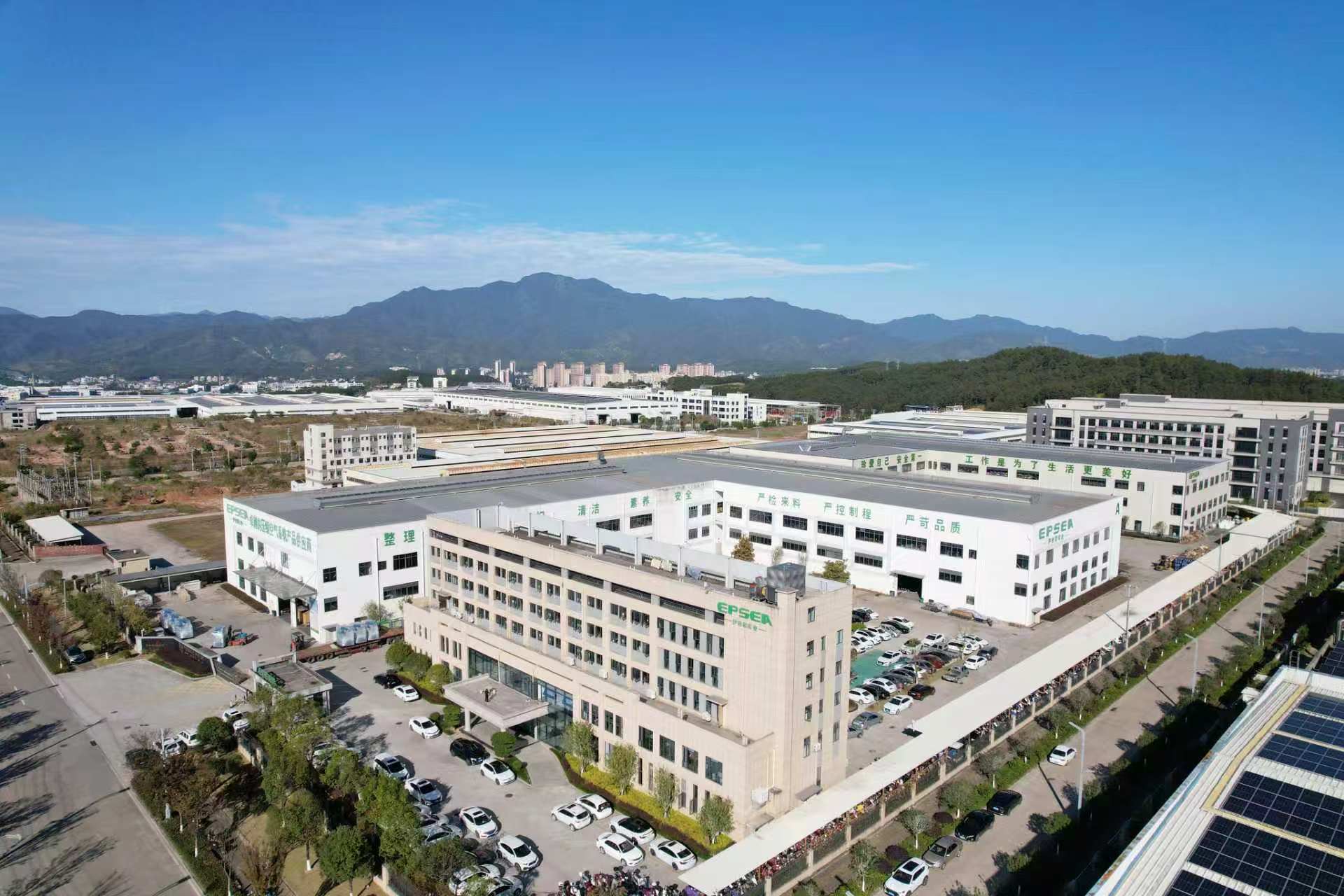
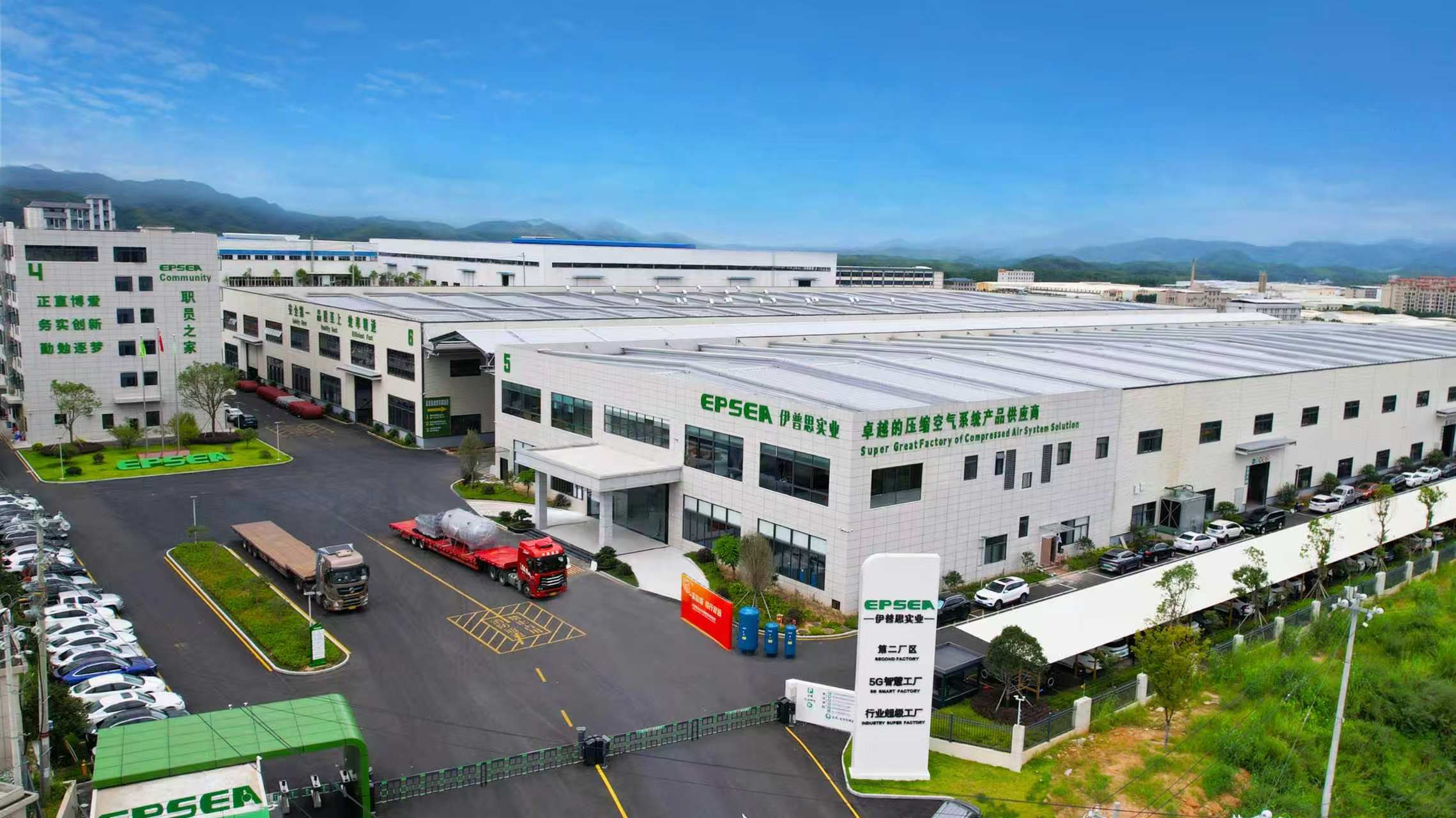
 Factory III